Key points
- Pellagra, from severe niacin deficiency, causes dementia-like symptoms
- Correcting deficiency reverses them; this is real and well documented
- Deficiency is very rare in developed countries due to food fortification
- Adding niacin to a sufficient diet does not improve cognition
The kernel of truth
Niacin is essential. It is the precursor to NAD+ and NADP+, coenzymes involved in hundreds of metabolic reactions including cellular energy production. Without it, cells cannot function.
Severe deficiency causes pellagra, historically summarised as the four Ds: dermatitis, diarrhoea, dementia and death. The dementia is real — confusion, memory loss, disorientation, and in advanced cases psychosis. Treating with niacin reverses it, often dramatically.
So the sentence 'niacin deficiency causes memory loss and niacin corrects it' is entirely true.
Why it does not apply to you
Pellagra is now rare in countries with fortified food supplies. Flour, cereals and bread are routinely fortified with niacin, and the vitamin is abundant in meat, fish, poultry, peanuts and legumes. The body also synthesises some niacin from tryptophan.
Where pellagra does appear, it is in specific contexts: chronic alcoholism, severe malabsorption, certain rare metabolic disorders, prolonged isoniazid therapy, or famine conditions.
The logical gap in the marketing is this: a nutrient that reverses dysfunction when you lack it does not improve function when you already have enough. Correcting a deficit is not the same as adding a surplus.
The NAD+ angle
Niacin's role as an NAD+ precursor has become a marketing hook because NAD+ declines with age and is an active research area in longevity science.
That research mostly concerns nicotinamide riboside and nicotinamide mononucleotide, at specific doses, with human outcome data that remains preliminary. Whatever it eventually shows, it is not evidence that ordinary niacin in a multi-ingredient capsule improves memory.
Flushing, and what it signals
Nicotinic acid causes cutaneous flushing — warmth, redness and tingling across the face and chest — typically 15 to 30 minutes after a dose above roughly 30 to 50 mg. It results from prostaglandin-mediated vasodilation. It is uncomfortable but generally harmless.
Like beta-alanine's tingling, flushing is a noticeable sensation, and noticeable sensations get interpreted as efficacy. If you take a product marketed for brain blood flow and feel a warm flush, the inference that it is working is natural. The flush is a skin effect, not a brain effect.
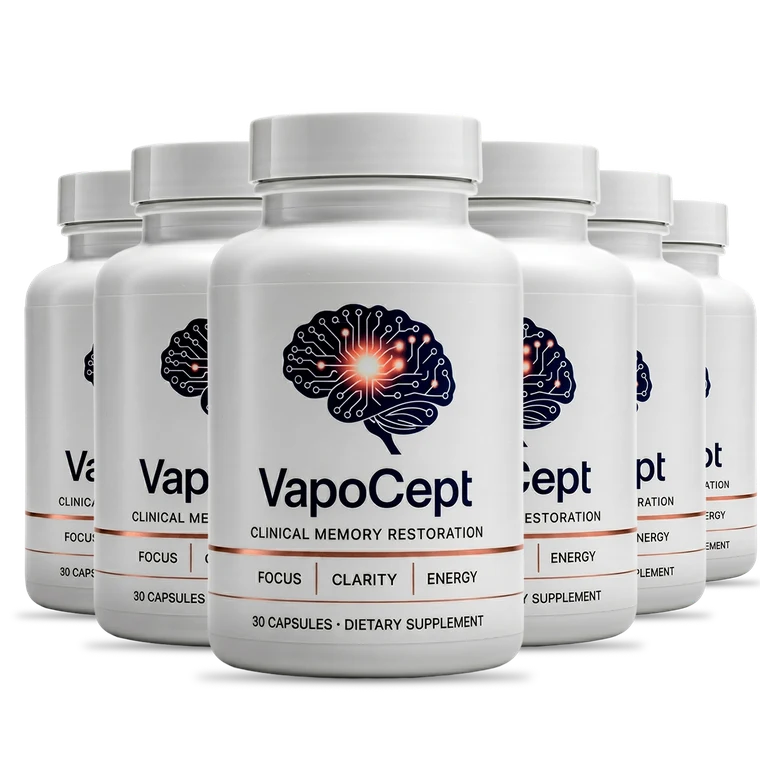
See all six ingredients analysed
Every VapoCept ingredient rated against the published research for its own best-documented use.
Ingredient breakdownWhen niacin needs medical supervision
High-dose nicotinic acid, in the 1,000 to 3,000 mg range, has been used to modify blood lipids. At those doses it can affect liver enzymes, raise blood glucose, and worsen gout. That use requires monitoring.
Supplement doses are much lower, but if you have liver disease, diabetes or gout, niacin is worth mentioning to your doctor.
What it means for VapoCept
Niacin is the ingredient in VapoCept with the strongest evidence base — as a vitamin, for deficiency. The manufacturer describes it as powering neuronal energy machinery and improving cerebral microcirculation.
The first part is true in the trivial sense that NAD+ is involved in cellular energy everywhere. The second does not follow. And as with every other ingredient in the formula, the amount is not disclosed — so you cannot tell whether it exceeds what a slice of fortified bread provides.
See all six ingredients rated →
Frequently asked
Should I take niacin for memory?
Not unless you are deficient, which is unlikely in a country with food fortification. If you have memory concerns, see a doctor; several reversible causes exist and are worth identifying.
How much niacin do adults need?
The recommended dietary allowance is roughly 16 mg daily for men and 14 mg for women, easily met by an ordinary diet. See the NIH Office of Dietary Supplements fact sheet for detail.
Is niacin flushing a sign it is working?
It is a sign you have taken enough nicotinic acid to cause skin vasodilation. It says nothing about effects on the brain.