Key points
- No milligram amounts are published for any of the six ingredients
- A single capsule holds roughly 500-800 mg of total powder
- Citrulline and beta-alanine research doses alone total 6-12 g
- You can request the panel by email; the answer is informative either way
What is published, and what is not
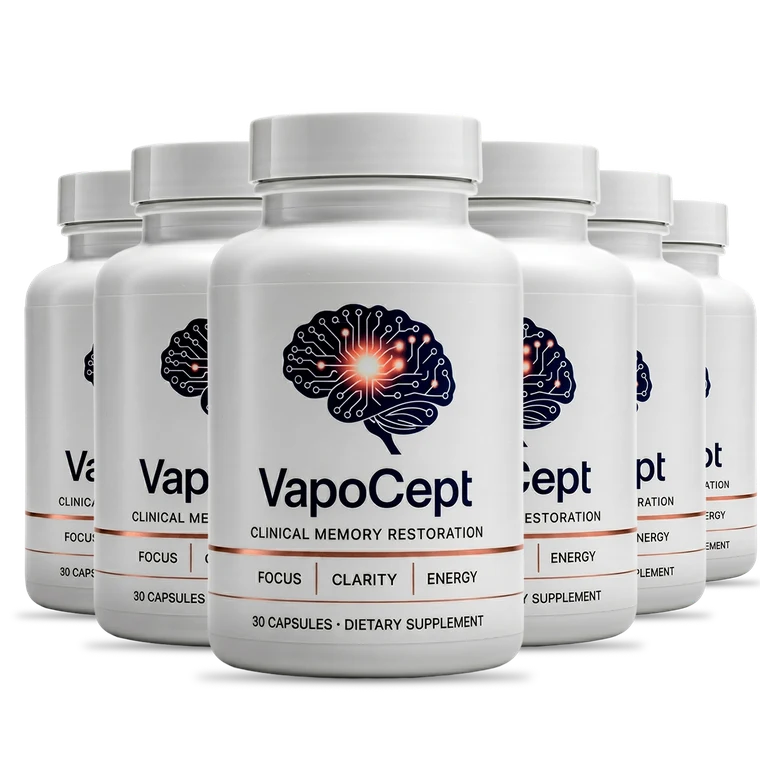
The official page names six ingredients and gives each a descriptive paragraph. What it does not give is a number. No milligrams, no proprietary blend total, no Supplement Facts panel, no photograph of the bottle's back label.
This is the single most consequential fact about the product, because every other question depends on it. Whether citrulline can raise nitric oxide meaningfully, whether beta-alanine can do anything at all, whether the niacin exceeds what breakfast provides — all unanswerable.
The doses the research uses
| Ingredient | Typical research dose | In VapoCept |
|---|---|---|
| L-Citrulline | 3,000–6,000 mg/day | Not disclosed |
| Citrulline malate | 6,000–8,000 mg/day | Not disclosed |
| Beta-alanine | 3,200–6,400 mg/day | Not disclosed |
| L-Arginine | 3,000–6,000 mg/day | Not disclosed |
| Arginine AKG | 3,000–6,000 mg/day | Not disclosed |
| Niacin | 16 mg/day (adult RDA) | Not disclosed |
The arithmetic that settles it
You do not need the label to establish an upper bound. A size 0 vegetable capsule — the standard for this format — holds roughly 500 to 800 milligrams of powdered material. That is a physical limit, not an estimate about this brand.
The three best-evidenced ingredients in the formula have combined research doses of roughly 12 to 20 grams. At 800 mg per capsule that is 15 to 25 capsules daily, for three of six ingredients.
So whatever the undisclosed amounts are, they are a small fraction of the doses in the studies the product's mechanism relies on. This conclusion does not require trusting our reading of the research.
What 'fairy dusting' means
The industry term for including an ingredient at a token amount so it can appear on the label. The ingredient is genuinely present, so nothing false is stated. It is simply present at a level that cannot produce an effect.
Non-disclosure is what makes the practice viable. We are not asserting VapoCept does this — we cannot know, which is precisely the point.
See all six ingredients analysed
Every VapoCept ingredient rated against the published research for its own best-documented use.
Ingredient breakdownHow to get an answer
Email the support address on the official site and ask for the Supplement Facts panel with milligram amounts per ingredient. This is a reasonable request that any manufacturer confident in its formulation can satisfy in one reply.
Three outcomes. They send it, and you can assess the product properly. They decline citing proprietary protection, which for a commodity amino acid blend is not a strong argument. Or you get no reply, which tells you what support will be like when you need a refund.
Standing offer. If you are the manufacturer and can supply a panel with amounts, send it to us and we will publish it in full and revise this page. We would genuinely like to see the numbers.
What to do meanwhile
If you want these ingredients, buy them individually. Citrulline malate and beta-alanine are sold as single-ingredient powders with the dose printed on the tub, from suppliers with third-party testing, at a small fraction of $49 to $79 a month.
If you want cognitive support, these are not the ingredients — see our list of compounds with actual cognitive evidence.
Frequently asked
Why does VapoCept not disclose doses?
The manufacturer does not say. Common industry reasons are formulation protection, though that argument is weak for a blend of commodity amino acids available anywhere.
How much citrulline is in VapoCept?
Unknown. Given a single daily capsule holding roughly 500 to 800 mg across six ingredients, it is necessarily far below the 3 to 6 gram research dose.
Can I ask the manufacturer for the label?
Yes, and you should. Email support and request the Supplement Facts panel with milligram amounts.