Key points
- Creatine has the most interesting recent cognitive data, mainly under stress
- Omega-3 has a large literature with small and inconsistent effects
- Caffeine with L-theanine is well supported but short-acting
- None of these appears in VapoCept
Setting expectations first
No supplement produces a dramatic cognitive improvement in a healthy, well-rested, well-nourished adult. Where effects exist they are small, often restricted to specific populations or conditions, and frequently inconsistent between trials.
That is not a reason to dismiss the category. It is a reason to calibrate: these are marginal gains, not transformations, and anyone promising otherwise is selling.
Creatine monohydrate
Best known for muscle, but the cognitive data has become genuinely interesting. The brain uses creatine for energy buffering, and supplementation raises brain creatine measurably.
Effects appear most reliably where the brain is under energetic stress — sleep deprivation, mentally demanding tasks — and in people with lower baseline stores, particularly vegetarians and vegans who consume little dietary creatine.
Dose in research is typically 5 g daily. It is one of the cheapest and best-characterised supplements in existence, with a large safety record.
Omega-3 (DHA and EPA)
DHA is a structural component of neuronal membranes, which makes the mechanism plausible. The literature is large.
The results are mixed. Some trials in older adults with mild memory complaints show modest benefits; large prevention trials have been largely negative. The most defensible position is that adequate intake matters and supplementation may help those with low dietary intake, without expecting much.
Caffeine with L-theanine
The best-supported acute combination. Caffeine improves alertness and reaction time; L-theanine moderates the jitteriness. Trials on attention and task-switching are reasonably consistent.
Typical amounts are 50–100 mg caffeine with 100–200 mg L-theanine. The effect lasts a few hours and tolerance develops to the caffeine component.
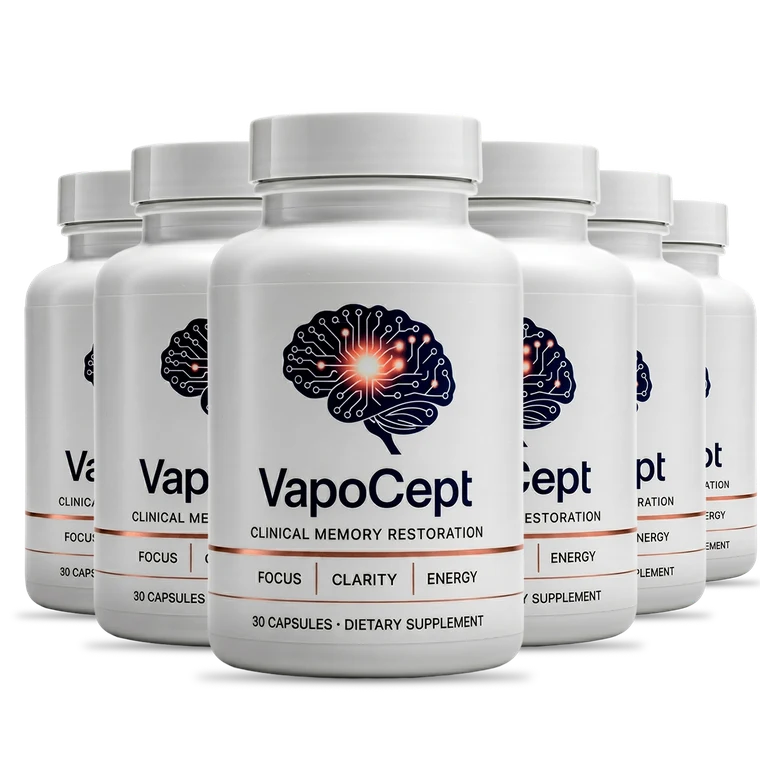
See all six ingredients analysed
Every VapoCept ingredient rated against the published research for its own best-documented use.
Ingredient breakdownCiticoline and bacopa monnieri
Citicoline has some trials in age-related memory complaints, typically at 250–500 mg. Evidence is moderate and much of it is industry-funded, which is worth weighing.
Bacopa monnieri has trials showing improvements in memory acquisition over 8 to 12 weeks at around 300 mg of standardised extract. It is slow-acting and commonly causes digestive upset.
What is not on this list, and why
Arginine, citrulline, beta-alanine and niacin — the VapoCept formula — are absent from any serious discussion of cognitive supplements. Not because they are bad ingredients, but because their evidence concerns blood flow, exercise performance and deficiency correction.
Ginkgo biloba is also absent: the large GEM trial found no reduction in dementia incidence.
See how VapoCept's ingredients rate individually →
The unglamorous things that beat all of them
Sleep, cardiovascular exercise, blood pressure control, hearing correction, treating depression, and social engagement all have larger and better-replicated effects on cognition than any compound above. If any of those is not in place, addressing it will do more than any capsule.
Frequently asked
What is the best supplement for memory?
There is no clear best. Creatine has the most interesting recent data, mainly under sleep deprivation or in people with low baseline stores. Effects across the category are generally small.
Is VapoCept a nootropic?
Not in any meaningful sense. Its ingredients are nitric oxide precursors and a muscle-buffering amino acid, with no established cognitive literature.
Do brain supplements work at all?
Some have measurable but small effects in specific populations. None produces the transformation that direct-response marketing describes.